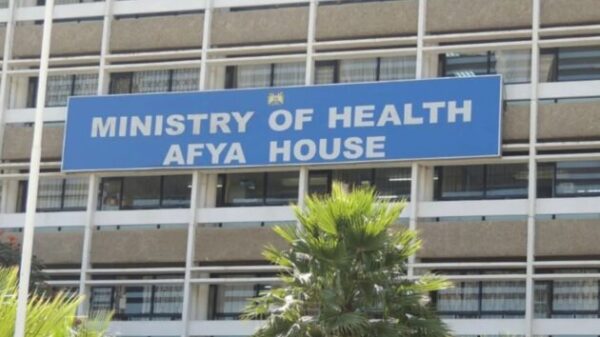



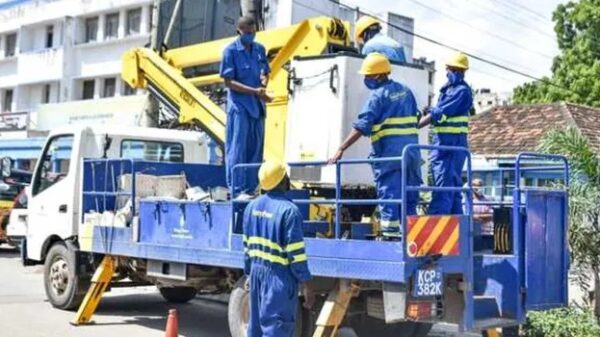




















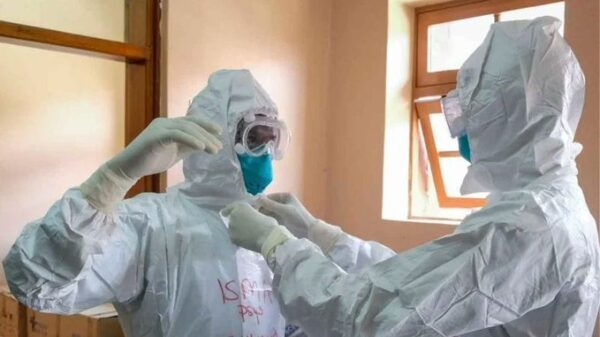










The Ministry of Health has raised fresh concerns over a growing public health threat driven by poor waste management across Kenya, warning that the situation is increasing the risk of disease outbreaks, particularly in urban centres.
Speaking during a public health stakeholders’ forum held in Nairobi on April 22, Public Health Principal Secretary Mary Muthoni said the country is grappling with a dual crisis of environmental degradation and rising disease vulnerability due to unmanaged waste.
“Kenya generates approximately 22,000 tonnes of waste daily, but only about 10 per cent is properly managed,” Muthoni said. “This is a dual crisis that is both environmental and public health-related.”
According to the PS, ineffective waste disposal systems have exposed many Kenyans to unsafe and unsanitary conditions, significantly increasing their risk of contracting infections. Urban areas remain the most affected, with poor waste handling practices compounding already strained sanitation systems.
Muthoni singled out plastic waste as a major contributor to the crisis, noting that discarded bottles and non-biodegradable materials are clogging drainage systems. The blockage, she explained, leads to stagnant water, which creates ideal breeding grounds for disease-causing organisms.
“Blocked drainage systems contribute to unsanitary conditions and accelerate the spread of infections,” she warned.
Beyond cities, the ministry also expressed concern over continued cases of open defecation in parts of rural Kenya. Muthoni described the practice as a persistent public health risk that undermines national sanitation efforts and contributes to the spread of waterborne diseases.
The rising exposure to disease, she added, is placing additional pressure on the country’s already stretched healthcare system, highlighting the urgent need for preventive interventions.
In response, the Ministry of Health is advocating for a coordinated approach involving both public and private sector stakeholders to address the crisis. Central to this effort is the “Epuka Uchafu” campaign, a nationwide initiative launched in 2024 to promote proper waste disposal, improved sanitation, safe water handling, and better hygiene practices.
“We cannot win this battle alone as government,” Muthoni said. “We are calling for strong partnerships to support behaviour change and strengthen waste management systems across the country.”
Health experts and stakeholders at the forum also called for stricter enforcement of waste management regulations, increased investment in sanitation infrastructure, and sustained public awareness campaigns.
As Kenya continues to urbanise rapidly, failure to address gaps in waste management could reverse gains made in disease prevention and environmental health, experts warn.