































The High Court of Kenya has issued conservatory orders suspending the Communications Authority of Kenya’s (CAK) directive that banned live coverage of the June 25, 2025, Gen Z-led demonstrations.
The decision, delivered by Justice E.C. Mwita at the Milimani High Court, followed a petition filed by the Law Society of Kenya (LSK). The court ruled that the CAK’s directive raised serious constitutional questions and ordered the immediate restoration of all TV and radio signals previously switched off.
The CAK had cited security concerns and invoked Articles 33(2) and 34(1) of the Constitution and Section 461 of the Kenya Information and Communications Act (KICA), 1998 to justify the media blackout. The move resulted in major broadcasters including NTV, KTN, and Citizen TV being pulled off air triggering widespread public uproar and accusations of censorship during a period of national unrest.
However, legal experts and rights groups, including the Kenya Editors’ Guild and Amnesty International Kenya, argued that the directive was a gross misinterpretation of the law and a violation of existing court orders protecting media independence. The ruling reinforces a 2024 judgment that had already stripped the CAK of powers to regulate content, assigning that responsibility to the Media Council of Kenya.
Justice Mwita emphasized the urgency of the matter by ordering immediate electronic service of pleadings and scheduled a full hearing for July 2, 2025. He further warned that non-compliance with the court order would attract penal consequences, including potential prosecution of CAK leadership.
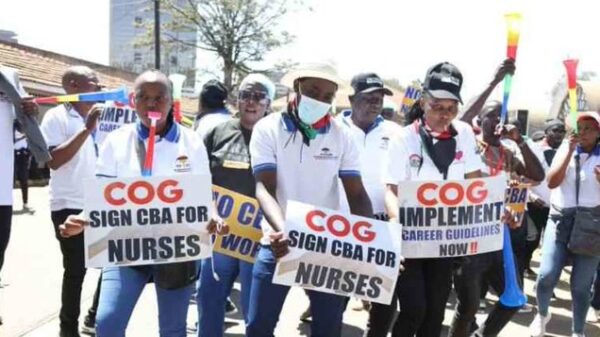
The ruling comes against the scene of protests marking the first anniversary of the 2024 anti-Finance Bill demonstrations, which saw over 60 lives lost. This year’s commemorations were again flawed by deaths, injuries, and a government crackdown, making live media coverage essential for transparency and public accountability.
This judgment reaffirms the media’s role as a critical public watchdog, especially during moments of political crisis. It also underlines the growing tension between state control and civil liberties with Kenya’s judiciary and civil society acting as essential checks on executive overreach.