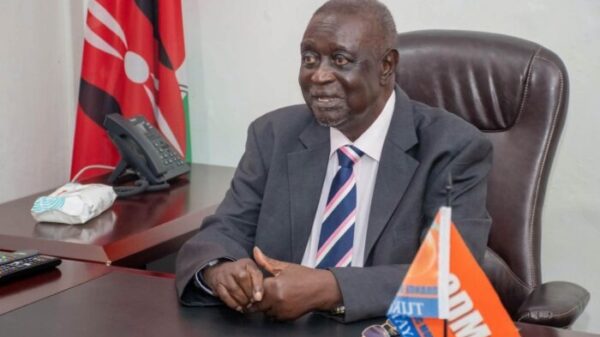














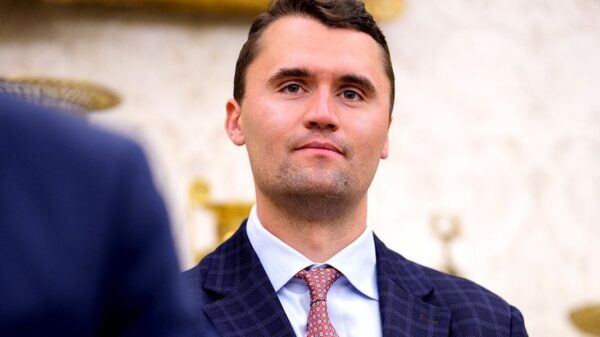



















Former National Police Service Commission Spokesperson Charles Owino has sparked a national firestorm following remarks seen as defending the police shooting of Boniface Mwangi Kariuki, a 22-year-old hawker who was left brain dead during anti-police brutality protests in Nairobi.
Speaking on Citizen TV, Owino claimed that Kariuki insulted the officer who pulled the trigger on June 17 along Mondlane Street, provoking the fatal reaction. “If you listen closely to the clip, you’ll hear that boy abusing the policeman,” Owino said. “But as an officer, you must exercise restraint – shoot him with a rubber bullet instead.”
While acknowledging the tragedy of the shooting, Owino attempted to contextualize the officer’s actions, citing emotional strain and inexperience. He revealed that in a typical 32-member riot control unit, only four officers carry live firearms, supervised by a senior officer. However, critics argue that Owino’s comments dangerously shift blame from state actors to protesters.
Kariuki, declared brain dead with bullet fragments still lodged in his skull, has become a national symbol of police brutality. The two officers involved, Klinzy Baraza Masinde and Duncan Kiprono, have been interdicted and are under investigation by the Independent Policing Oversight Authority (IPOA).
Owino triggered further controversy by suggesting that if protests spiral into “anarchy,” the police may withdraw and allow the military to intervene. He also criticized court rulings restricting the use of tear gas and bullets, claiming such limitations compromise officers’ ability to maintain law and order.
Amid growing outrage, reports have surfaced alleging police cover-ups – including doctored morgue records that label police shootings as “road accidents” or “mob justice” to avoid accountability. This, coupled with a sharp increase in deaths during protest periods, has intensified scrutiny on the National Police Service.
Though Owino has called for a national conversation on policing, his repeated justifications for excessive force raise serious concerns about institutional attitudes toward civil rights, restraint, and reform.