












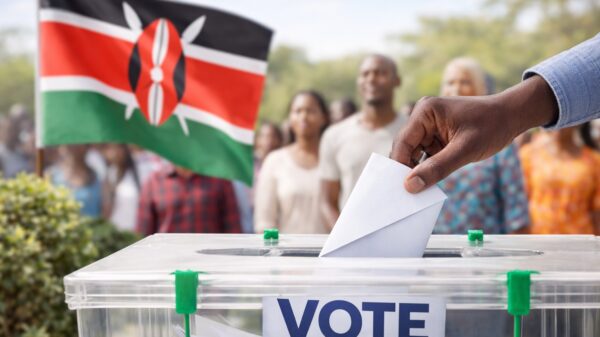


































The High Court has upheld the Independent Electoral and Boundaries Commission’s (IEBC) power to tally and verify presidential election results at the national level, while ruling that the commission cannot alter figures already declared and certified at constituency level.
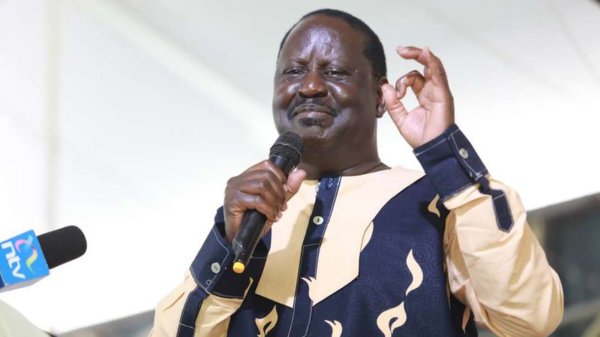
Justice Gregory Mutai dismissed a petition filed by Busia Senator Okiya Omtatah and other petitioners seeking to have the national tallying and verification process declared unconstitutional ahead of the 2027 General Election. The petition challenged Section 39 of the Elections Act and Regulation 83(2) of the Elections (General) Regulations.
Omtatah and his co-petitioners argued that the constituency should be the final point for tallying, verification and declaration of presidential results. They maintained that the national tallying centre should only collate results from the 290 constituencies before the IEBC chairperson declares the winner.
The petitioners further argued that allowing another verification process at the national level created an additional layer that could undermine the finality of constituency results.
The IEBC opposed the petition, maintaining that national tallying and verification are provided for in law and are necessary to aggregate constituency results and determine whether a presidential candidate has met the constitutional threshold.
Justice Mutai agreed that the national process is constitutional but drew a clear distinction between verification and alteration.
The judge described tallying as the arithmetic aggregation of constituency figures into county and national totals, while verification involves checking whether the aggregated figures correspond with those declared and certified at constituency level.
“The tally and verify function is accordingly not an unconstitutional intrusion upon the constituency finality,” Justice Mutai said.
He further held that verification does not give the IEBC power to “add, subtract, multiply, divide, cancel or otherwise revise any individual constituency figures.”
The court declared that presidential results declared and certified at constituency level remain final and can only be challenged before an election court.
It directed that certified Forms 34A and 34B, or their successors, be used as the primary reference documents during national aggregation. National verification must also be conducted collectively by the IEBC, with all commissioners participating and having access to the underlying data.
Candidates’ agents and election observers should have real-time access to the same information available to the commission.
Where electronic results differ from physically delivered records, the IEBC must document the discrepancy, explain how it was resolved and make the record public before the final presidential result is declared.
The ruling therefore preserves national tallying while limiting the IEBC’s role to aggregating and verifying constituency results ahead of the 2027 elections.