


































Jared Ratemo Mokua was a 35-year-old lawyer and Kenya Revenue Authority (KRA) supervisor whose career in customs enforcement was reportedly marked by an investigation into suspected tax evasion and irregular cargo clearances at the Port of Mombasa.
Ratemo was attached to KRA’s Customs and Border Control Department and stationed at Consolbase Container Freight Services in Mombasa.
His death in July 2017 drew attention to the circumstances surrounding his final journey from Mombasa to Nairobi and allegations of large-scale customs fraud.
Ratemo joined KRA in January 2010 and progressed through the ranks to become a supervisor in the Customs and Border Control Department.
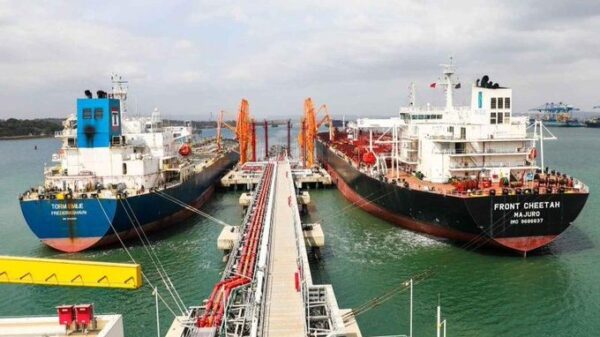
His posting at Consolbase placed him at a facility involved in handling imported cargo and transit shipments moving through Mombasa.
According to the account of his work, Ratemo began identifying suspicious cargo movements between October and December 2016 while comparing physical container movements against electronic records in KRA’s Simba customs clearance system.
The alleged irregularities involved high-value commodities, including sugar, ethanol, and motor vehicles.
Some containers were reportedly recorded electronically as being in transit to Uganda or being held pending payment of duties, even as the cargo was allegedly leaving the depot.
Transit cargo destined for other countries can qualify for different customs treatment from goods imported for domestic consumption.
However, if goods declared for transit are diverted into the Kenyan market without the required duties and taxes being paid, the practice can result in significant revenue losses.
The alleged scheme described in the account involved cargo being released from the depot at night while its electronic records continued to indicate that it remained under customs control or had not completed clearance.
The account further alleges that containers marked as being held for duties were physically removed despite their recorded status, raising questions about how the movements were authorized and whether established security and clearance procedures had been bypassed.
Sugar, ethanol and vehicles were reportedly among the commodities involved. The alleged diversion of ethanol was particularly significant because of the potential implications for excise revenue and the supply of illicit alcohol.
However, the precise scale of the alleged scheme, the identities of those involved and the amount of revenue lost would require confirmation from official records or independent investigations.
Ratemo reportedly suspected that the irregular releases were being facilitated through electronic system overrides and the use of compromised or stolen accounts belonging to KRA employees who had retired or been transferred.
In April 2017, he allegedly began enforcing stricter physical checks on suspicious cargo at the Mombasa facility. The account also claims that he rejected bribery offers from clearing agents allegedly connected to business and political networks.
Between May and June 2017, Ratemo reportedly compiled a dossier on his work computer containing container numbers, transaction identifiers and information concerning customs transactions that he believed required further investigation.
The material allegedly included details of senior officials suspected of remotely overriding local customs holds.
These claims, including the alleged bribery attempts and involvement of senior officials, should be treated as allegations unless supported by independently verifiable evidence.
In late June 2017, the account alleges that individuals connected to the suspected scheme became concerned about the information Ratemo had gathered.
On Monday, July 10, 2017, he travelled from Mombasa to Nairobi, reportedly to attend a meeting at KRA’s Times Tower headquarters concerning outstanding tax issues and his findings.
The following morning, July 11, he left his temporary residence in Ngara, Nairobi, after saying goodbye to his wife. He reportedly boarded a taxi carrying his laptop and documents.
At approximately 8:30 a.m., Ratemo is said to have spoken to a colleague by telephone, indicating that he was concluding a meeting in Nairobi’s central business district and preparing to travel to Jomo Kenyatta International Airport (JKIA) for his return flight to Mombasa.
His flight was scheduled to depart at 9:45 a.m., but he did not check in or board the aircraft.
His mobile phones reportedly became unreachable at around 10 a.m. The account alleges that he was intercepted before that time, although the identities of those responsible and the circumstances of his disappearance would need to be established through reliable investigative records.
Ratemo’s body was reportedly discovered early on Wednesday, July 12, 2017, on the roadside along Mombasa Road, near the JKIA junction.
According to the account, police arrived at the scene at approximately 7 a.m. His identification documents, KRA staff badge, and wallet were reportedly left untouched.
The account alleges that Ratemo had been tortured and killed before his body was abandoned at the roadside.
It further claims that toxic substances were used and that his electronic devices had been accessed and wiped.
These are grave allegations that require confirmation through post-mortem findings, police records, and other reliable evidence.
On Thursday, July 13, homicide detectives reportedly took over the investigation into his death.
The account suggests that Ratemo’s death occurred against the backdrop of his alleged efforts to document suspicious customs transactions. It also claims that the loss or deletion of electronic files hampered efforts to pursue the suspected fraud.
However, establishing a direct link between his professional activities and his death would require evidence from investigators, court proceedings, or other authoritative sources.
Questions remain about the reported customs irregularities, the whereabouts of the alleged audit material, the circumstances of Ratemo’s final hours, and whether any individuals were investigated or held accountable.