
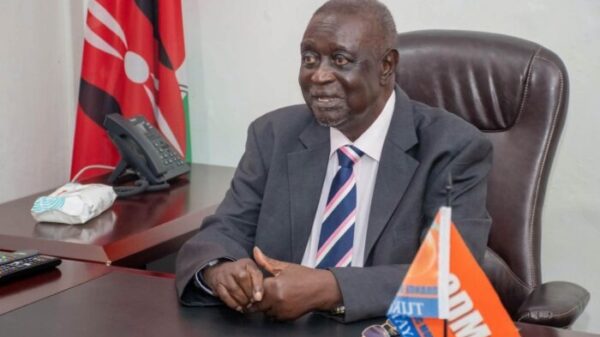






































The “stepping aside” of Deputy Inspector General (DIG) Eliud Lagat, ostensibly to allow for an impartial investigation into the controversial death of blogger Albert Ojwang, has taken a stunning new turn. Recent court filings reveal that Lagat’s much-publicized temporary exit was not a formal “stepping aside” as widely understood, but rather an 18-day annual leave approved by Inspector General Douglas Kanja, commencing just one day after his public announcement. This exposure casts a shadow of doubt over the transparency and legal standing of his initial declaration, fueling public skepticism and raising critical questions about accountability within Kenya’s police force.
Lagat’s statement on June 16, 2025, pledging full cooperation with investigators and offering condolences to Ojwang’s family, was initially perceived as a move towards greater transparency amidst national outrage over the blogger’s death in police custody. The late Ojwang, 31, was arrested over social media posts accusing Lagat of corruption and died shortly after, with a government autopsy contradicting police claims of self-inflicted injuries, indicating torture and strangulation instead.
However, legal experts, including lawyer Charles Kanjama, had already highlighted the lack of legal recognition for the term “stepping aside” within Kenya’s constitutional framework. Kanjama emphasized that a State officer can only cease to hold office through resignation, suspension, or death, and that without formal confirmation from the National Police Service Commission (NPSC), Lagat’s action was merely symbolic. The new court filings appear to validate these concerns, suggesting that Lagat’s public declaration was an administrative maneuver rather than a legally binding temporary relinquishment of duties.
The revelation that Lagat was on annual leave rather than formally “stepped aside” further complicates the narrative and underlines the urgent need for clarity and adherence to legal protocols in such high-profile cases. It raises questions about whether this was a deliberate attempt to manage public perception without undergoing formal disciplinary procedures, or simply an administrative oversight.
Regardless, the public demands genuine accountability, not just symbolic gestures, in the pursuit of justice for Albert Ojwang.