























President William Ruto has unveiled a 120-day framework to compensate civilians and security officers injured or killed during public protests and riots in Kenya since 2017 – a move the government says is aimed at fostering “national healing and accountability.”
Announced via a presidential proclamation on August 8, 2025, the initiative will be coordinated by Prof. Makau Mutua, Senior Advisor on Constitutional Affairs and Human Rights, and implemented by the Executive Office of the President in collaboration with the Attorney General, Ministry of Interior, National Treasury, and other relevant state agencies.
“The Constitution guarantees the right to demonstrate and picket, but some protests have regrettably turned violent, resulting in bodily harm and loss of life,” President Ruto said. “This framework seeks to balance our freedoms with civic responsibility and address the human cost of unrest.”

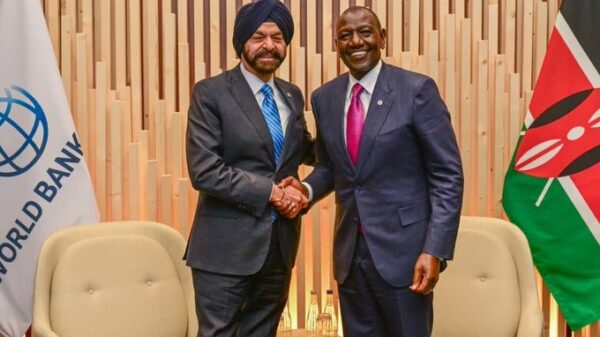
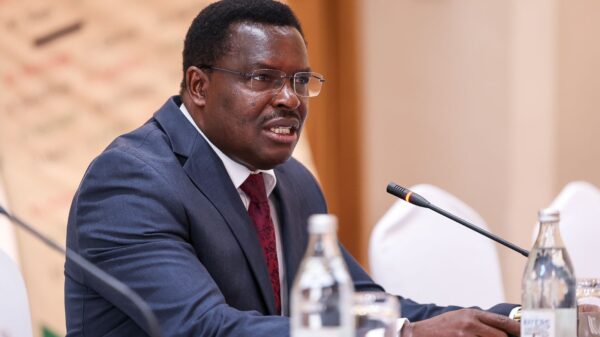
Prof. Makau Mutua, Senior Advisor on Constitutional Affairs and Human Rights and President William Ruto
The programme will create mechanisms for accountability, redress, and reparations for victims, including police officers injured in the line of duty. However, the government has yet to disclose the criteria for identifying beneficiaries, the size of compensation packages, or the funding model.
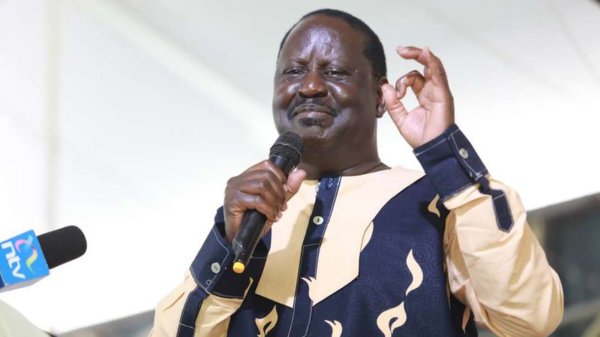
This marks one of the most significant state interventions on protest-related harm in recent Kenyan history and aligns with a key commitment in the 10-point Memorandum of Understanding between President Ruto and opposition leader Raila Odinga to form a broad-based government.
The timing comes amid heightened public scrutiny following the deadly youth-led anti-Finance Bill protests in June and July 2024, which left numerous casualties. Raila Odinga had earlier indicated that the government was preparing to use the Contingencies Fund to compensate families affected by the unrest.
Prof. Mutua pledged a fair and transparent process. “We will listen to victims, examine evidence, and ensure justice is not selective. This is about restoring dignity and trust in our institutions,” he said.
Political analysts suggest the move could ease tensions in a country where demonstrations have frequently turned deadly but caution that its credibility will depend on transparency, fairness, and swift delivery.
While some human rights advocates have welcomed the announcement as a step toward reconciliation, others remain skeptical, citing past unfulfilled promises of justice for victims of state violence.
For now, the 120-day countdown has begun – and with it, the test of whether this bold initiative will mark a turning point in Kenya’s turbulent history of protest and political accountability.