


































Iran has declared that the ongoing war with the United States and Israel will end only when what it calls “aggression” against the country stops, firmly rejecting calls for renewed negotiations.
Speaking in Tehran on Tuesday, Iranian Foreign Ministry spokesman Esmaeil Baghaei said Iran did not initiate the conflict and remains focused on defending its sovereignty. “The war was not initiated by Iran, whose choice was diplomacy,” Baghaei told reporters. “Now is the time for war and defending the homeland. Anything that diverts our attention must be set aside.”
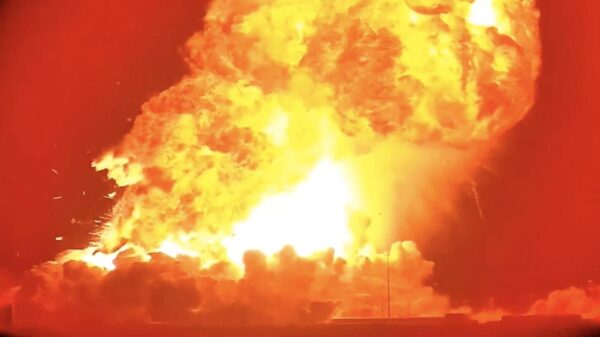
The large-scale offensive by the United States and Israel began on Saturday, days after Tehran and Washington held a third round of indirect nuclear negotiations under Omani mediation. According to Iranian figures, nearly 800 people have been killed in the strikes, including senior military officials and the country’s Supreme Leader, Ayatollah Ali Khamenei.
Baghaei accused the international community of inaction and warned that the conflict could widen. “If the world – especially countries that claim to uphold the rule of law – does not act, the fire of lawlessness will engulf all countries,” he said, urging the UN Security Council to intervene “before the war expands to other places.”
Separately, Iran’s top security official, Ali Larijani, head of the Supreme National Security Council, dismissed reports that Tehran was seeking fresh talks with Washington. “We will not negotiate with the United States,” Larijani said in a post on X, denying claims that Iran had approached the Trump administration after the strikes.
As the conflict entered its third day, fighting spread across the region. Iranian missile and drone attacks targeted US and allied assets in Gulf countries including the United Arab Emirates, Bahrain, Qatar and Saudi Arabia.
The US Embassy in Riyadh was reportedly hit by drones, causing minor damage. Israel also launched strikes on Hezbollah positions in Lebanon after the group fired rockets in retaliation.
The war has sent shockwaves through global energy markets. Brent crude prices surged above $82 per barrel before easing slightly, reflecting fears of supply disruptions.
Iran has threatened to block the Strait of Hormuz, a critical chokepoint for nearly a fifth of the world’s oil supply. At least three vessels have reportedly been struck near the strait since hostilities began.
US President Donald Trump signaled that military operations could continue for weeks, stating that the campaign would last “whatever it takes.”
With both sides hardening positions and civilian casualties mounting, the Iran-US-Israel escalating conflict now risks drawing in more regional and global powers, deepening instability across the Middle East and beyond.