




































Kenya and Japan are set to deepen health cooperation as the two countries seek to expand local production of vaccines, medicines and medical technologies while reducing reliance on imported health products.
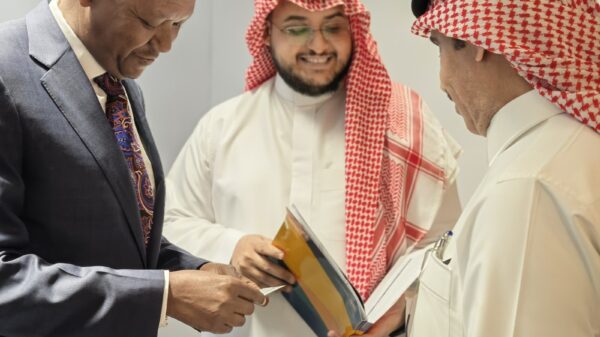
The partnership was discussed during the first Japan-Kenya Health Cooperation Meeting held on Monday, October 5, with Principal Secretary for Medical Services Dr Ouma Oluga leading the Kenyan delegation.
The talks focused on strengthening medical research, local manufacturing, health financing, workforce development and access to modern health technologies as Kenya works towards building a more resilient and self-reliant health system.
The cooperation will also seek to strengthen the link between research and the development of medicines, diagnostics and other medical technologies, including through early-stage research and clinical trials.
Kenya plans to combine Japanese technology and expertise with the work of local research institutions, universities and private companies to expand manufacturing capacity.
The move comes as the country pursues plans to produce its first locally manufactured vaccine, with the government targeting its rollout in 2027.
Health Cabinet Secretary Aden Duale announced the target in January after engaging the board and senior management of the Kenya BioVax Institute on progress in the country’s vaccine manufacturing programme.
Duale said local vaccine production would support the government’s Universal Health Coverage agenda by improving access to affordable and reliable vaccines.
Japan has previously supported Kenya’s health manufacturing ambitions, including a commitment to mobilise Ksh3 billion towards strengthening vaccine research and manufacturing capacity.
Beyond manufacturing, the new cooperation will focus on strengthening the skills of healthcare workers through specialised training and simulation-based learning.
Kenya and Japan will also promote collaboration between universities and hospitals to strengthen institutional capacity, research and practical skills among health workers.
Health financing will form another part of the partnership, with discussions covering sustainable health financing, domestic resource mobilisation and Health Technology Assessment.
The two countries also recognised Kenya’s potential to serve as a regional hub for health research, innovation, manufacturing and training.
The partnership is expected to support efforts to build the skills, institutions, research capacity and infrastructure needed to sustain improvements in healthcare.
It also comes as Kenya seeks to strengthen domestic capacity in the production of medicines, vaccines, diagnostics and other health technologies while reducing dependence on imported health products.