













































Kenya has opposed the United States’ decision to impose fresh sanctions on the International Criminal Court (ICC), calling for urgent reforms to address the institution’s shortcomings rather than measures that could undermine its operations.
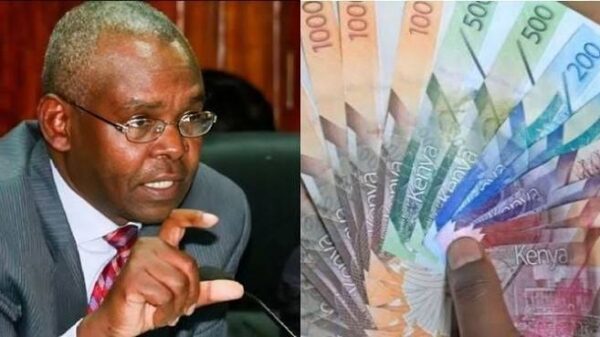
Foreign Affairs Principal Secretary Korir Sing’Oei said on Saturday, October 10, 2026, that the court had failed to meet some of the expectations under which it was established, including concerns over what he described as selective attention to cases.
“The ICC deserves serious criticism for failing to live up to the mandate and expectations for which it was established and for being selective in its focus,” Sing’Oei said.
He maintained that Kenya would continue engaging other states that are parties to the Rome Statute to push for changes aimed at improving the court’s performance.
“What it needs is urgent reform. Not sanctions. Kenya will continue to work with State Parties to reform the court,” the PS added.
Sing’Oei’s remarks followed the Trump administration’s announcement on Friday, October 9, that it would impose financial sanctions on the ICC over its investigations and jurisdiction involving American citizens and Israeli officials.
US Secretary of State Marco Rubio defended the decision, arguing that the court should not exercise jurisdiction over Americans without the United States’ consent. Washington has long opposed the possibility of American citizens, military personnel and political leaders facing prosecution by the ICC.
“Either the ICC will end its threats, or we will end the ICC,” Rubio said.
The US measures include restrictions on financial transactions with the court, which Washington says are intended to limit its resources and prevent it from taking action against Americans. The announced measures also provide a six-month period for some parties to wind down transactions, while certain transactions are exempt.
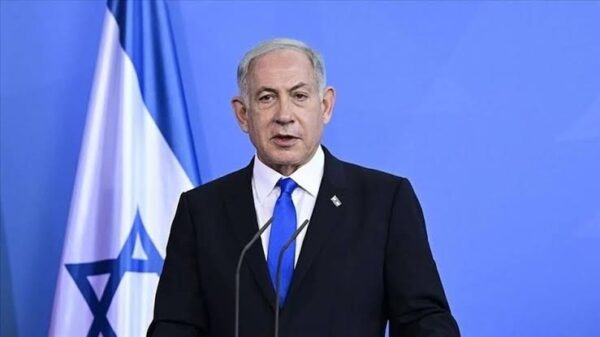
The dispute is linked to ICC investigations into alleged crimes involving US personnel in Afghanistan and cases involving Israeli officials, including Prime Minister Benjamin Netanyahu. The United States is not a party to the Rome Statute, which established the court, while Kenya is a member state.
The sanctions have drawn criticism from other governments and international institutions. United Nations Secretary-General António Guterres described the move as a serious blow to the international community’s pursuit of criminal justice, according to the reports provided.
Countries including the United Kingdom, Canada, Denmark, Germany, France, Italy, Japan and the Netherlands also opposed the US action and urged Washington to reconsider.
Kenya’s position acknowledges the need to address concerns about the ICC while maintaining that reform should be pursued through engagement with member states rather than sanctions. The court was established to prosecute individuals for genocide, crimes against humanity, war crimes and the crime of aggression under specified conditions.