






















Kenya is intensifying efforts to secure a comprehensive free trade agreement with India in a move aimed at unlocking a KSh271 billion trade opportunity while addressing a long-standing imbalance between the two economies.
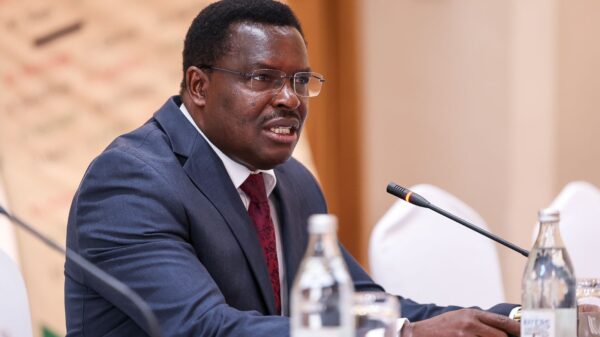
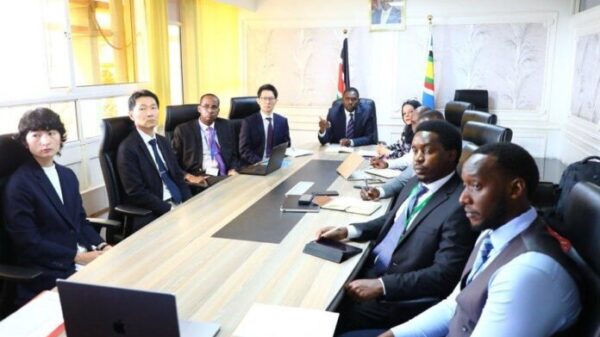
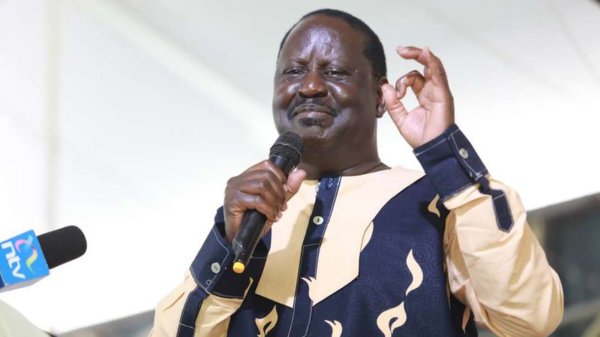
The proposal was announced by Prime Cabinet Secretary and Foreign Affairs Cabinet Secretary Musalia Mudavadi, who confirmed that formal negotiations are set to begin following high-level engagements earlier this year.
“Perhaps it’s time that Kenya and India went a notch higher and discuss a free trade agreement,” Mudavadi stated during the 2nd Khumbhabhisheka Mahotsavam ceremony at the Sri Kalyana Venkateswara Temple in Nairobi.
Mudavadi revealed that the discussions gained momentum after his visit to New Delhi, where he held bilateral talks with Indian Prime Minister Narendra Modi and Foreign Minister Subrahmanyam Jaishankar during the Raisina Dialogue. He described the agreement as “long overdue,” given the deep historical and economic ties between the two nations.
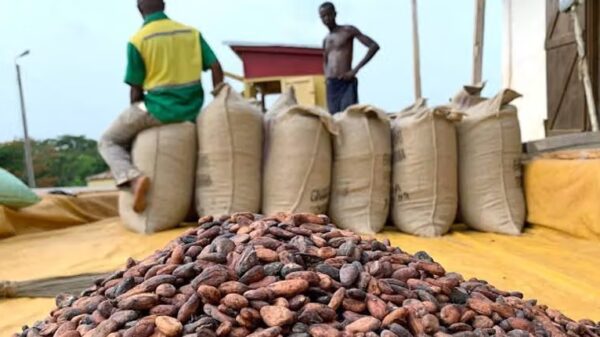
Currently, trade between Kenya and India is heavily skewed. Kenya exports goods worth approximately USD147.4 million (about KSh19 billion), while imports from India stand at over USD2 billion (around KSh262 billion). This imbalance has significantly influenced domestic markets, pricing, and industrial competitiveness. Kenya’s exports to India mainly include tea, coffee, soda ash, vegetables, and raw materials such as hides, skins, and metal scraps. In contrast, imports are dominated by petroleum products, pharmaceuticals, machinery, textiles, and rice – commodities critical to Kenya’s economy and development.
According to Mudavadi, the proposed agreement seeks to formalise trade frameworks, expand market access, and promote balanced economic growth. “One of the things we are pursuing is to take the partnership a notch higher,” he said, adding that Kenya is aligning India within its broader global trade strategy.
The country is already pursuing or implementing trade agreements with key partners including the European Union, the United Arab Emirates, the United States, and China under the Forum on China-Africa Cooperation (FOCAC).
Beyond trade, Mudavadi acknowledged the vital role played by the Kenyan Indian community in national development. “Your contribution and support to Kenya’s economy has helped shape our wellbeing through job creation, investment, technology transfer, and education,” he noted.
The push for a trade deal comes amid expanding cooperation between the two nations, including recent military collaboration marked by the docking of the Indian Navy frigate INS Trikand at the Port of Mombasa.
As Kenya seeks to diversify its export markets and strengthen its global trade footprint, the proposed Kenya-India Free Trade Agreement could mark a significant turning point in the country’s economic diplomacy.